
Ministry of Defence

Lest We Forget

The Royal British Legion
| Ministry of Defence |
Lest We Forget |
The Royal British Legion |
|
 |
This
monument records the names and commemorates the valour and devotion of
11 Officers and 318 Non Comm Officers and men of the 66th Berkshire Regiment
who gave their lives for their country at Girishk Maiwand and Kandahar
and during the
Afghan campaign 1878 –1880
“History does not afford any grander or finer instance of gallantry
and devotion to Queen and country than that displayed by the
66th Regiment at the Battle of Maiwand on the 27th July 1880”
Despatch of General Primrose
1878 – 1880 Second Afghan War
| GAILBRAITH | James |
Extract from "THE AFGHAN CAMPAIGN OF 1878-1880" by Sydney H. Shadbolt first published 1882. LIEUT.-COLONEL
JAMES GALBRAITH, THE subject of this memoir was the fifth son of Samuel Galbraith, Esq., of Clanabogan, in the County of Tyrone, Ireland, and of Susannah Jane, his wife, daughter of the Rev. Robert Handcock, D.D., of Dublin and of Lacken, Co. Roscommon, and granddaughter of William Handcock, Esq., for many years M.P. for Athlone. In Burkes' “Landed Gentry" the Galbraiths of Clanabogan are stated to have been of Scotch descent, and to have settled in Ulster in the reign of Charles I. Educated at home, James Galbraith passed his examination at Sandhurst for a commission in the Army, and was gazetted in December, 1851, to an Ensigncy, by purchase, in the 66th Regiment, with which gallant corps to the last his life was identified. He proceeded, on appointment, to the Depot, then stationed in Guernsey; and after serving there for some eighteen months embarked for Canada to join the Head-quarters. While in that country he was promoted (June, 1854) to a Lieutenancy. The Regiment was ordered home in the autumn of the same year, and a few months after its arrival in England was sent to Gibraltar. In the spring of 1855 Galbraith was sent home to the Depot (which had been transferred to Leeds), to act as Paymaster and Quartermaster. In February, 1856, he obtained his company, by purchase. Captain Galbraith sailed for the East Indies in the year 1857, with two companies of the Regiment, under command of Major Benson, in H.M.S. “Gloriana," and joined the Head-quarters at Cannanor, where the 66th was stationed for over four years. For some part of this period he commanded a detachment at Calicut. Returning to England with the Regiment for its term of home service, he did duty with it at Devonport, Aldershot, Guernsey, Jersey, the Curragh, and Dublin, and obtained while stationed in Ireland (August, 1869) his Majority. On the Regiment being ordered a second time to India, in 1870, Major Galbraith commanded a wing, during the voyage out, in one of Her Majesty's troopships ; and three companies while stationed at Haidarabad, Sind. He subsequently commanded the Regiment at Belgaum during parts of the years 1874 and 1875, and again at Haidarabad from the spring of 1879 till he succeeded to the permanent command at Karachi, in November, 1879. In the interval (October, 1877) he obtained his Brevet Lieutenant-Colonelcy. In February, 1880, the 66th was ordered to Kandahar, and arrived there under his command on the 25th March, 1880, four days before the departure of the Bengal troops for Kabul under command of Sir Donald Stewart. Colonel Galbraith commanded the Regiment on the 4th July, when the mutineers of the Wali's army were defeated near Girishk and his guns retaken. It was on the 27th July, 1880, on the fatal field of Maiwand, that he fell, fighting manfully against the overwhelming numbers of Ayub Khan's followers. “He was last seen," writes General Primrose in his despatch, “on the nullah bank, kneeling on one knee, with a colour in his hand, officers and men rallying round him." When the battle-field was revisited by the force under command of Brigadier-General Daubeny, in September, his body, and that of his old friend Captain Mc Math, were found together, with those of many of their gallant comrades. Colonel Galbraith was a gallant soldier and a true friend. His even temper and calm judgment peculiarly fitted him for command; and those who served under him will ever respect and honour his memory. |
| OLIVER | Charles Valentine |
Extract from "THE AFGHAN CAMPAIGN OF 1878-1880" by Sydney H. Shadbolt first published 1882. MAJOR
C. V. OLIVER, CHARLES VALENTINE OLIVER was the second son of John Dudley Oliver, Esquire, of Cherrymount, County Wicklow, Ireland, who was the head of a younger branch of the Olivers, of Castle Oliver, County Limerick, a family well known in Ireland for many generations. The subject of this memoir was born on the 9th March, 1836, and was one of five brothers who entered the Army within a short time of each other. He was gazetted to the 66th Regiment, as Ensign, in 1854, and passed his whole service in that distinguished corps in various parts of the world, including India, Gibraltar, the Channel Islands, Great Britain, and Ireland. Although never purchased over, his promotion was slow, and he only obtained his Regimental majority a short time before his death. Major Oliver was one of the officers sent out to Jamaica in 1866 to serve on the court-martial which tried two officers accused of acts of cruelty in putting down the negro rebellion in that island, and which honourably acquitted them. After his return to England, he served with the Regiment at Aldershot, Jersey, Guernsey, the Curragh, and Dublin; and in 1870 proceeded with the head-quarters a second time to India. When the Regiment was stationed at Karachi, he was for a considerable time in charge of the Sanitarium of Ghizri. Major Oliver marched with the Regiment to Kandahar in February, 1880, and was present at the action on the Halmand, near Girishk, on the 14th July. At the battle of Maiwand, on the 27th, he was one of the three officers present with the colours who came out unhurt. It is said that he and General Burrows were they two last to leave the field, and they were so hard pressed that he was obliged, in self-defence, to shoot with a rifle two or three of the Afghan cavalry who attacked them on the open plain. It will perhaps not be out of place here to remark on the pain and distress he was subjected to through his name being confused with that of another officer, and being quoted in several of the English journals in a list published by them of the survivors of the battle who were the first to reach Kandahar, thus making it appear that he had ridden on ahead of his men. The officer alluded to was another of the same name belonging to a different service. The fact is, that telegraphic communication had been severed some hours before Major Oliver with the scanty remnant of his Regiment reached the city walls. He arrived in a state of great exhaustion from which he never quite recovered. Although Major Oliver suffered much from weakness during the siege, he nevertheless commanded all that was left of the 66th at the battle of Kandahar on the 1st September. After the defeat of Ayub Khan's army, he continued in a low state of health, and he subsequently fell an easy victim to the disease—small-pox which eventually carried him off on the 10th October, 1880. His death was thus alluded to in the "Kandahar News:"—" All our readers will receive with feelings of deep sorrow and regret the sad news of the death of Major C. V. Oliver, 66th Regiment, which occurred yesterday morning in the citadel, from small-pox. After bringing back the remnants of his Regiment from the fatal and terrible field of Maiwand, and the still more terrible retreat on Kandahar, and passing safely through the perils of the siege, he was on the eve of marching to India, en route to England with his Regiment, when the fell disease struck him down, and in little more than a week our Queen and country had to deplore the loss of a faithful servant, and the 66th Regiment, the Kandahar Field Force, and the whole Army, a fine soldier, brave officer, good companion, and staunch friend. Requiescat in pace." |
| CULLEN | Francis James |
Extract from "THE AFGHAN CAMPAIGN OF 1878-1880" by Sydney H. Shadbolt first published 1882. CAPTAIN
F. J. CULLEN, FRANCIS JAMES CULLEN, who was killed in action at Maiwand on the 27th July, 1880, was the fourth son of the late Francis Nesbitt Cullen, Esq., J.P., of Corry, County Leitrim, and grandson of the late Colonel James Cullen, of Shreeny House, in the same county. Born at Corry on the 7th September, 1844, he was educated in Dublin at Dunbar's Academy, from whence he passed direct into the Royal Military College, Sandhurst, in 'September, 1863. Passing out in February, 1865, he obtained a free commission for the ability he displayed at the previous examination, and was gazetted in the same month to an Ensigncy in the 1st West India Regiment. He shortly afterwards joined that corps at Kingston, Jamaica, where he served under the late Governor Eyre in the rebellion which broke out immediately after his arrival. In 1867 he accompanied his Regiment to Africa, where he served for two years in Senegambia. In the autumn of 1869 he obtained his Lieutenancy without purchase, and was posted to the 66th Foot. He joined that gallant corps some months afterwards in Bombay, and continued to serve with it, with one interval of furlough, till the day of his death. In October, 1879, he obtained his company. Captain Cullen accompanied the Regiment on its being ordered up to Kandahar in February, 1880, and shared with it the duties which fell to its lot after arriving at its destination. In the first week in July he took part in the advance of Burrows' Brigade to the Halmand, and commanded the company of his Regiment, which, acting as the General's rear-guard, crossed the river in the neighbourhood of Girishk on the 14th of the month to observe the movements of the Wali's mutinied troops. A fortnight afterwards, in the disastrous encounter with the enemy at Maiwand, he fell fighting gallantly at the head of his company, in the field in front of the Nullah, close to the spot where Colonel Galbraith and his brother officers, McMath, Garratt, and Barr, rendered up their lives. “Your son," wrote the late Major C. V. Oliver, (a gallant officer of the 66th, who survived that fatal day, and subsequently commanded the scanty remnant of the Regiment at General Roberts' defeat of Ayub Khan's army on the 1st September) to Captain Cullen's bereaved mother, "was seen to fall doing his duty as a gentleman and a soldier. I was standing by his company for some time only a little while before he fell, and nothing could have been cooler or better than his behaviour. Amongst the many friends I lost on that day there are few I regret so much." The brief record of the manner in which Captain Cullen faced his death reads as an echo of the anticipations formed after the first tidings of the disaster reached them by the many friends to whom, during his life, he had endeared himself. |
| GARRATT | Ernest Stephen |
Extract from "THE AFGHAN CAMPAIGN OF 1878-1880" by Sydney H. Shadbolt first published 1882. CAPTAIN
E. S. GARRATT,
ERNEST STEPHEN GARRATT was the eldest son of the Reverend Samuel
Garratt, Honorary Canon of Norwich, and Vicar of St. Margaret's,
Ipswich, and Loetitia Sarah Bathsua, his wife, daughter of the
Reverend Bowater James Vernon, who was Senior Chaplain to the
Forces in St. Helena at the time of the death of the Emperor Napoleon
I., when the 66th Regiment happened to be stationed in the island. General Barclay, formerly Lieutenant-Colonel of the 66th, giving the opinion he formed of him during the period of his Indian service, writes: "I first made his acquaintance at Belgaum in 1875; he was then in command of a detachment at the fort, and I was much struck, on inspecting his company, with the thoughtful manner in which all arrangements for the comfort of his men were carried out. No care or even expense was spared. His company, from his Colour-Sergeant to the youngest soldier, would have done anything for him." And a brother officer, who lived on terms of great intimacy with him, writes: "One thing which always struck me about him was his great kindness of heart. I never remember to have heard him speak a harsh or unkind word of anybody, and if a disparaging word was said of anyone in his presence, he would always put in a kind word for the subject of the remarks." It is perhaps worthy of mention, too, that during this period of his service he nursed his brother officer, Captain McMath, through a long and dangerous illness—the result of an encounter with a wounded panther—and was instrumental, as his patient was wont to affirm, in saving his life. After serving for some years at various stations in Bombay, he returned on leave to England, married, and rejoined the Regiment at Ahmadnagar; and after another voyage home, where he held for eighteen months an appointment at the Depot, at Reading, was once more ordered to India in the autumn of 1879, three months before the departure of the 66th from Karachi to Kandahar. While at Kandahar he was very much occupied with experiments in telegraphy. “He was a first-rate electrician," writes Lieutenant Hamilton, of the 2nd Queen's, Aide-de-Camp to General Primrose, to whose quarters Garratt was in the habit of resorting to test his telephones; and the General himself says: " I have always heard him spoken of in high terms by those who knew him; and I was particularly struck with the amount of intelligence he always displayed. He was considered a very good officer, and scientific in his pursuits, which made itself prominent by his knowledge and practice of telegraphy and the telephone." "We are all like brothers," is one of his own expressions in a letter written at this period to his wife respecting the officers in the Regiment, between whom and himself there evidently existed a very strong feeling of friendship—the more pleasant to think of, since "in their deaths they were not divided." Before this letter closed, the action with the Wali's troops, near Girishk, had taken place. After describing the pursuit and capture of the guns, he continues: “Then, as the enemy still held the valley to which they had retreated, we were ordered to clear it; and in this three of our men were wounded badly. One or two shots came so close to me that my horse shied "—he was senior Captain on active service, and doing Field Officer's duty—" and nearly threw me, as I was acting galloper between the General and the Regiment." A fortnight afterwards, on the 27th July, 1880, the battle of Maiwand was fought. “When they were surrounded at the end," writes one of the officers of the 66th, in a private letter, "he turned the rear-rank of his company about to fire to the rear as well as to the front." His death took place when the Regiment was retiring to the garden where the last stand was made. One of the men of his company gives the following particulars:—" I saw Captain Garratt fall. I stopped to see if I could render him any assistance. I then noticed that he had a bullet wound between the temple and the jaw bone, and that his eyes were closed. I raised his arm and found that he was dead." And General Primrose, making reference to him and his brother officer, Captain Cullen, in his letter to the Adjutant-General, published in the "Gazette" of the 31st December, 1880, tells how they " were both killed on the field in front of the nullah, up to the last moment commanding their companies and giving their orders with as much coolness as if on ordinary Regimental parade." A large pile of stones marks the place where the Afghans themselves buried those whom they found dead on the field. There his body lies with the rest of those with whom he fell. The burial-place of the 66th was left undisturbed by either friend or foe. |
| McMATH | William Hamilton |
Extract from "THE AFGHAN CAMPAIGN OF 1878-1880" by Sydney H. Shadbolt first published 1882. CAPTAIN
W. H. McMATH, WILLIAM HAMILTON McMATH was the second son of Hamilton McMath, Esq., of Thornford, Co. Monaghan, Ireland, and of Mary his wife, eldest daughter of James Parker, Esq., of Mount Kearney, Co. Down. He was born on the 4th February, 1845. After some early training in the Grammar School, Dundalk,—where he was elected Captain by his companions, and won twice running the silver medal, the highest prize awarded,—he was removed to King William's College, Isle of Man, where, in 1861, he studied under the Rev. Gilmour Harvey and Dr. Dixon, the then Head Masters. He subsequently underwent a short special preparation for Sandhurst under Mr. De Burgh, of Dublin; and after passing through the usual course at the College was gazetted, in August, 1865, to an Ensigncy in the 66th Foot. Joining the Regiment at Davenport, he proceeded with it in January, 1867, to Aldershot, and subsequently to Jersey and Guernsey. In August, 1868, he purchased his Lieutenancy, and in October of the same year obtained a first-class certificate, extra, at the School of Musketry at Hythe. After serving for twelve months at the Curragh and Dublin, he embarked with the 66th, in 1870, for India. While in Bengal he was temporarily attached to the 25th Native Light Infantry. On his leaving that corps to rejoin the 66th, a Regimental Order was issued by the Commandant, making warm allusion to the satisfactory manner in which he had performed his duties, and expressing regret for the loss of so promising an officer. While stationed at Haidarabad in the Spring of 1871, and subsequently while at Belgaum in the years 1874 and 1875, McMath, with whom sport was little less than a passion, found many opportunities for enjoying his favourite pastime. On one occasion, while pursuing the larger game of the country in the district last named, severe injuries were inflicted on him by a wounded panther. He fortunately succeeded in killing the beast after it closed with him, and, holding his lacerated flesh together, managed, with the aid of his native attendants, who kept pouring water on his head, to walk a distance of six miles to his quarters. There he was tenderly nursed by his brother-officer and bosom friend, Captain Ernest Garratt, to whose care, as he was wont to assert, he owed his life. His constitution was excellent, and so thoroughly did he recover his strength that he was able to take part, in January, 1876, in the long march of the 66th, to Poona, a distance of 220 miles. After holding for a time the Adjutancy of the Regiment, he obtained, in April, 1877, his company. Early in 1878 he availed himself of leave of absence, and visited England. He returned to India the same year, and rejoined the Headquarters of the Regiment at Kolaba. In March, 1879, he was appointed Officiating Adjutant in the camp of Deolali, through which all troops proceeding from and to England had to pass; and in November of the same year he was again at Poona, temporarily doing duty as Brigade Major. On the 31st January, 1880, he received, to his great satisfaction, orders to rejoin the Regiment for service in Afghanistan. He reached the Head-quarters at Nari Bank, and was there detached, with Lieutenant Lynch and his company, for the purpose of taking up to Kandahar a present of a battery of artillery from the Government to the Wali, Shere Ali Khan. In a letter describing this performance, he writes: “We had hard work taking the guns up the Bolan, also through the Gazaband and Khojak Passes. The latter operation took me two days, having had to encamp the first night on the top of the Khoja Amran Mountains, and taking the battery down the mountain was tough work. I, however, did not lose a single man, camel, bullock, or thing, and handed the battery over complete to the Afghans." This was at Chaman. The day the guns were handed over he received a telegram from Sir Donald Stewart, thanking him for bringing the battery forward with so little delay. After reaching Kandahar he received the appointment of Commandant of the body guard of the General (his former chief, General Primrose), and had quarters in his garden. In the first days of July he took part in the advance of Burrows' Brigade to the Halmand, and acted as Brigade Major to the Field Force during the action on the 14th with the Wali's mutinied troops at Girishk. In a letter describing the operations of that day, he writes: "I was fourteen hours in the saddle on the 14th without having had a meal, and on the night of the 15th the whole of our force fell back upon this place, a march across a desert of twenty-five miles without a drop of water. Left the Halmand at 6 p.m., and did not arrive till 8 a.m., another fourteen hours in the saddle." At the battle of Maiwand, on the 27th, McMath was seen steadying his company, to the command of which he had reverted, and was heard quietly to remark: "That's right, men; go on giving them volleys like that!" The company was the third from the right of the fighting line. Shortly after it was forced to retire, Captain McMath was struck by a round shot, which frightfully shattered his shoulder. His faithful servant, Haider Beg—a soldier who eventually escaped into Kandahar—ministered to his wants with water until ordered by him to quit the field and save his own life. The end was not far distant. Within a few minutes from the time of his receiving his first wound a bullet pierced his heart, immediately putting an end to his sufferings. Thus fell one of the best of men and most genial of comrades: “one who”—to quote from General Primrose's letter to the Adjutant-General, published in the " London Gazette" of the 31st December, 1880—" had his life been spared, would have risen to distinction in Her Majesty's Service." It is moving to record that Captain McMath's little dog "Nellie"—a pet of the Regiment—which had followed her master into action, was subsequently found by the burying party lying dead at his side. |
| ROBERTS | Walter |
Extract from "THE AFGHAN CAMPAIGN OF 1878-1880" by Sydney H. Shadbolt first published 1882. CAPTAIN
WALTER ROBERTS, THE subject of this notice, was the third son of Major-General Howland Roberts, Honourable East India Company's Service. He was born at Haidarabad in the Deccan on the 9th March, 1846; was educated at Cheltenham College; and passed through the Royal Military College at Sandhurst. In February, 1865, ' he was gazetted to an Ensigncy without purchase in the 3rd West India Regiment, and obtained his Lieutenancy by purchase in December of the same year. He served on the West Coast of Africa till June, 1866, and in the West Indies till his Regiment was disbanded in April, 1870. In September, 1871, he exchanged from half-pay into the 66th Regiment, then stationed at Karachi, Sind; and joining that corps two months afterwards, served with it for a period of three years. In September, 1874, he was appointed Staff Officer at Mount Abu Sanitarium, where he remained for his term of two years. On rejoining Head-quarters in November, 1876, he was appointed to act as Adjutant of the Regiment—an appointment which he held until he obtained his company on the 14th November, 1879, and continued to hold subsequently during the march of the 66th to Kandahar in the spring of 1880. At the engagement with the mutinous troops of the Wali Shere Ali Khan near Ghirish on the 14th July, 1880, Captain Roberts commanded his company on the right flank of the line. At the battle of Maiwand, on the 27th of the same month, he was mortally wounded while making a desperate stand with his men against overwhelming numbers. He was led out of the garden in which he had been hit, and taken to the rear, but shortly afterwards died from the effects of his wound and exhaustion from long exposure, without sustenance or relief, to the rays of a burning sun. His body was brought into Kandahar and buried on the night of the 28th in the palace garden. Captain Roberts' memory will ever be held dear by those with whom he served. He was a thorough soldier, and a man beloved by all who knew him. The deceased married, in July 1867, Julia Mary, daughter of the late Captain P. H. Delamere, of the 21st Fusiliers and 3rd West India Regiment. |
| CHUTE | Richard Trevor |
Extract from "THE AFGHAN CAMPAIGN OF 1878-1880" by Sydney H. Shadbolt first published 1882. LIEUTENANT
R. T. CHUTE, RICHARD TREVOR CHUTE, who was killed in action at Maiwand on the 27th July, 1880, was the youngest son of the late Richard Chute, Esq., D.L., of Chute Hall, Co. Kerry, and the Honourable Mrs. Chute, daughter of the late Lord Ventry; and was a nephew of General Sir Trevor Chute, K.C.B. He was born in Kerry on the 17th September, 1856, was educated at Wimbledon School, and in 1875 joined the Cavan Militia, from which, in October, 1877, he received his commission as 2nd Lieutenant in the 66th Regiment. He embarked, shortly afterwards, for India to join the Headquarters, and after serving for a period at Kolaba, Haidarabad, and Karachi, he received, in June 1879, his lieutenancy. He was subsequently appointed Acting Quartermaster to the Regiment, in which capacity he served till the day of his death.
On the 66th being ordered to the front, in February, 1880, Chute
proceeded with it in its march through the Bolan, and shared with
it at Kandahar the duties which fell to its lot. He took part,
in the first week of July, in the advance of Burrows' Brigade
to the Halmand, and during the action in the neighbourhood of
Girishk on the 14th of the month his company was one of those
detailed to guard the camp on the left bank of the river. In the
disastrous battle of Maiwand on the 27th, he fell fighting gallantly
against the overwhelming numbers of the enemy, being one of the
little band who sold their lives so dearly in the garden where
the last desperate stand was made. |
| HONEYWOOD | Arthur |
Extract from "THE AFGHAN CAMPAIGN OF 1878-1880" by Sydney H. Shadbolt first published 1882. 2ND
LIEUTENANT ARTHUR HONYWOOD, THE subject of this notice, who was killed in his twentieth year at the battle of Maiwand on the 27th July, 1880, while defending the Queen's colour of his Regiment, was the fourth son of the late Sir Courtenay Honywood, and Anne Maria, his wife, second daughter of the late W. Paynter, Esq., of Richmond, and of Belgrave Square, London. Arthur Honywood was born in the year 1860 at Evington Place, Ashford, and received his education in Hertfordshire. Proceeding to Sandhurst, he passed out of the college after the usual course, and was gazetted, in August, 1879, to a second Lieutenancy in the 66th Regiment. He embarked shortly afterwards for India, and joined the Head-quarters at Karachi, in time—to his infinite satisfaction—to take part with the Regiment in its march to Kandahar. His term of service was destined, alas! to be of short duration. In the first days of July, 1880, he accompanied the 66th in its advance in Burrows' Brigade to the Halmand, and was present, on the 14th of the month, at the dispersing of the Wali Shere Ali Khan's mutinied troops in the neighbourhood of Girishk. At the battle of Maiwand, on the 27th, he was struck with a bullet early in the engagement." “I met him,” writes one of his brother officers in reference to the last sad act of the drama of that day, “in one of the gardens, wounded through the leg.” It is known that he reached the garden where the last desperate stand was made—that spot which, has become sacred to the memory of the little band of heroes who, in their determination to sell their lives dearly, watered it so copiously with their blood. The sequel—in so far as the subject of this notice is concerned—is supplied in General Primrose's despatch: “Lieutenant Honywood was shot down whilst holding a colour high above his head, shouting, ‘Men, what shall we do to save this? '” |
| OLIVEY | Walter Rice |
Extract from "THE AFGHAN CAMPAIGN OF 1878-1880" by Sydney H. Shadbolt first published 1882. 2ND
LIEUTENANT W. R. OLIVEY, THE subject of this notice, who was killed at Maiwand on the 27th July, 1880, while carrying the Queen's colour of his Regiment, was the second son of Lieut.-Colonel W. R. Olivey, Chief Paymaster, Army Pay Department (for nearly twenty years Paymaster of the 1st Battalion, 12th Regiment) and Elizabeth, his wife, only daughter of the late R. Goodfellow, Esq., of Falmouth, Cornwall. Walter Rice Olivey was born at Sydney, New South Wales, on the 19th March, 186o. After receiving a preliminary education, he was prepared for Sandhurst at the Grammar School at Bury, in Lancashire, by the Rev. E. H. Gulliver, the then head-master, and went direct from that establishment to the College. Passing out in December, 1879, fifteenth in the honour list, and taking the prize for Military Topography, he was gazetted, a month afterwards, to the 66th Regiment, and on the 11th March, 1880, left Portsmouth for India, to join headquarters. Olivey reached Kandahar in time to take part with the Regiment in the advance of Burrows' Brigade to the Halmand in the first days of July, and was present on the 14th of that month at the dispersing of the mutinied troops of the Wali Shere Ali Khan in the neighbourhood of Girishk. At the battle of Maiwand, on the 27th, he forfeited his young life with the 300 officers and men of the Regiment who fell. Early on that day he was severely wounded, but would not relinquish the colour he was carrying, though urged to do so. "I was speaking to him after he was wounded," writes one of his brother officers. "His helmet was off and a handkerchief was tied round his head." He was last seen in the garden where the final desperate stand was made, encouraging the men around him, and holding his colour aloft as a rallying point. |
| OUTRAM-BARR | Harry James |
Extract from "THE AFGHAN CAMPAIGN OF 1878-1880" by Sydney H. Shadbolt first published 1882. 2ND
LIEUT. H. J. O. BARR. HARRY JAMES OUTRAM BARR, who, "At Maiwand about 4 p.m. on the 27th July, 1880, fell dead across the colour he was then carrying "—according to evidence adduced at the subsequently holden court-martial—was not the first of his family who forfeited his life in the Queen's service in Afghanistan—his maternal grandfather having been Colonel Keith, Deputy Adjutant-General of the Bombay Army, who died in that country whilst serving as Adjutant-General with the forces under Lord Keane in 1839. The youngest son of Lieutenant-General Barr of the Bombay Staff Corps, he was born in Brighton on the 7th January, 1861. His education was begun under Dr. H. Barker, LL.D., at the Gymnasium School at Old Aberdeen, where he remained for a period of nearly seven years. From thence he was transferred to Weston-super-Mare, to read with Mr. Hoppel, M.A., for the Indian Civil Service; but showing a decided preference for the army, he was sent for one term to Captain Massie's to be prepared for the Sandhurst examination. In February, 1879, at the age of seventeen years, he was presented by Lord Cranbrook with an honorary East Indian cadetship, and entered Sandhurst; and in November of the same year he passed out eighteenth in order of merit, with honours, having obtained certificates in Fortification and Drill. Gazetted to the 66th Regiment in January, 1880, he left England for India two months afterwards; and reaching Karachi by way of Bombay, immediately received orders to join the head-quarters of the Regiment, then at Kandahar. He proceeded thither with a detachment under Major Vandaleur of the 7th Fusiliers, arriving at his destination at the latter end of May. To a mere lad, " fresh and blooming from England," as he described himself in a letter to his father, thrown suddenly into the whirl and excitement of actual campaigning at the very outset of his career, the life he had embarked upon presented many novel features. The physical features of the country, the customs of an alien race, even the necessity for taking precautions against danger on emerging from camp, were matter for perpetual wonder and reflection; whilst the ever-recurring rumours and counter rumours of the prospect of fighting kindled, his hopes and fired his imagination. That he became popular with his brother-officers from the hour of his arrival amongst them, the numerous letters written by them to members of his family after his death amply testify. On the 4th July, 1880, Barr accompanied the Regiment in the brigade which, under General Burrows, left Kandahar for Girishk with the object of encountering Ayub Khan. The march—which, in consequence of the excessive heat, had to be conducted at night—was a severe one: "stumbling, fumbling, slipping along; digging the Colour-shaft deep into the earth "—thus young Barr describes his own part in the performance. Girishk was reached on the 11th; and three days afterwards—on the morning of the 14th—Barr received his baptism of fire in the successful encounter which took place with the Wali's mutinied troops. On this occasion he availed himself of an opportunity which presented itself for rendering valuable service. To the left of the second position taken up by the enemy was a garden, from behind the walls of which a harassing fire was being kept up upon his company. Captain Quarry, of the 66th, was ordered to advance with twenty men to take the garden; but on the way he was delayed by having to ford a stream with muddy bottom, in which his men floundered up to their armpits. Barr was now ordered to advance to his assistance, and succeeded, with Lieutenant Faunce, in reaching the further bank. Getting about twenty-five men together, they were enabled to take the wall with a rush, shooting down in their advance every individual of the band which held it. After the action the Brigade returned to Khushk-i-Nakhud, en route for Kandahar. In the disastrous encounter with the enemy which ensued on the 27th, Barr lost his life, in the manner already recorded, with the three hundred officers and men of his Regiment who fell, having been seen by the late Major C. V. Oliver, a few minutes before his death, "marching along as calmly and steadily as if on parade." |
| RAYNER | Maurice Edward |
Extract from "THE AFGHAN CAMPAIGN OF 1878-1880" by Sydney H. Shadbolt first published 1882. LIEUTENANT
M. E. RAYNER, MAURICE EDWARD RAYNER, who was killed at Maiwand on the 27th July, 1880, was the second son of the late Lloyd Rayner, a Liverpool merchant. He was born at Liverpool on the 16th September, 1857, and was consequently in his twenty-third year at the time of his death. Educated at the Rev. O. C. Waterfield's school at East Sheen, Surrey, and subsequently at Harrow School, he left the latter at Christmas, 1874, to compete in the December open examination of that year for first Army appointments. He passed 65th in order of merit out of 329 candidates, of whom the first 152 were alone successful, and in 1875 received the offer of a direct commission in the 66th Regiment, then stationed at Belgaum, Bombay. Gazetted to a Sub-Lieutenancy on the 3rd February, 1875, he sailed from Southampton to join the Head-quarters of the 66th in the following March. In May, 1877, he obtained his Lieutenancy; and in the course of his Indian service he held for a time the post of Interpreter to the Regiment, and subsequently that of Adjutant till the day of his death. Lieutenant Rayner accompanied the Regiment to Kandahar in February, 1880, and took part with it, in July, in the advance to the Halmand. At the battle of Maiwand, on the 27th of the month, he was last seen alive, but badly wounded, hard by the garden enclosure where the last desperate stand round the colours of the 66th was made. There his body was subsequently found, and was buried with those of his gallant comrades. Lieutenant Rayner was a keen sportsman, and had shown considerable prowess in the cricket-field. A promising young officer, devoted to his profession, his example may serve to show that a military career may be auspiciously commenced without interest and without purchase. |
| CUPPAGE | Alexander | Sergeant
Major 1171, Enlisted in 1868, Killed in Action at the Battle of
Maiwand 27th July 1880 |
| COLLEY | Robert |
Arm
Sergeant 245, Killed in Action at the Battle of Maiwand 27th July
1880 |
| APTHORNE | John | Colour
Sergeant 1410, Enlisted in 1869, Killed in Action at the Battle
of Maiwand 27th July 1880 |
| BAYNE | James |
Colour
Sergeant 640, Enlisted in 1869, Killed in Action at the Battle of
Maiwand 27th July 1880 |
| GOVER | Frederick | Colour
Sergeant 1011, Enlisted in 1866, Killed in Action at the Battle
of Maiwand 27th July 1880 |
| SCADDING | Samuel |
Colour
Sergeant 1340, Enlisted in 1869, Killed in Action at the Battle
of Maiwand 27th July 1880 |
| COSGROVE | John | Sergeant
1436, Enlisted in 1869, Killed in Action at the Battle of Maiwand
27th July 1880 |
| CRUISE | John |
Sergeant
770, Enlisted in 1864, Killed in Action at the Battle of Maiwand
27th July 1880 |
| DAVIS | Thomas | Sergeant
726, Killed in Action at the Battle of Maiwand 27th July 1880 |
| FITZGERALD | Richard |
Sergeant
1615, Enlisted in 1869, Killed in Action at the Battle of Maiwand
27th July 1880 |
| GUNTRIPP | William | Sergeant
1485, Enlisted in 1869, Killed in Action at the Battle of Maiwand
27th July 1880 |
| RICE | George |
Sergeant
1466, Enlisted in 1869, attached to the Smooth Bore Battery at the
Battle of Maiwand and Killed in Action on the 27th July 1880 |
| ROLLINGS | Jesse | Sergeant
1416, Enlisted in 1869, Killed in Action at the Battle of Maiwand
27th July 1880 |
| SPENCER | Isaac |
Sergeant
672, Enlisted in 1866, Killed in Action at the Battle of Maiwand
27th July 1880 |
| SYMONDS | William | Sergeant
1635, Enlisted in 1869, Killed in Action at the Battle of Maiwand
27th July 1880 |
| WALKER | James |
Sergeant
1072, Killed in Action at the Battle of Maiwand 27th July 1880 |
| IRELAND | Robert | Lance
Sergeant 1185, Enlisted in 1868, Killed in Action at the Battle
of Maiwand 27th July 1880 |
| AYLING | William |
Corporal
1010, Enlisted in 1866, Killed in Action at the Battle of Maiwand
27th July 1880 |
| BOLTON | George | Corporal
1495, Enlisted in 1869, Killed in Action at the Battle of Maiwand
27th July 1880 |
| BRENNAN | Michael |
Corporal
200, Enlisted in 1863, Killed in Action at the Battle of Maiwand
27th July 1880 |
| CONNOLLY | Richard | Corporal
4146, Killed in Action at the Battle of Maiwand 27th July 1880 |
| DAVIS | Eli |
Corporal
725, born October 1850 in Milbourne, Dorset. Enlisted in 1871, Killed
in Action on the 27th July 1880 at the Battle of Maiwand |
| EWINS | James | Corporal
164, Enlisted in 1873, died of dysentery on the 11th August 1880
at Kandahar |
| HANKS | Charles |
Corporal
1493, Enlisted in 1869, Killed in Action at the Battle of Maiwand
27th July 1880 |
| MAHONEY | Eugene | Corporal
1621, Enlisted in 1869, Killed in Action at the Battle of Maiwand
27th July 1880 |
| MILSOMME | William |
Corporal
1643, Enlisted in 1869, Killed in Action at the Battle of Maiwand
27th July 1880 |
| MORECROFT | Enoch | Corporal
677, Enlisted in 1867, Killed in Action at the Battle of Maiwand
27th July 1880 |
| SMITH | William |
Corporal
1476, Enlisted in 1869, Killed in Action at the Battle of Maiwand
27th July 1880 |
| TRAVERS | Hugh | Corporal
1423, Enlisted in 1869, Killed in Action at the Battle of Maiwand
27th July 1880 |
| COHEN | Henry |
Drummer
1644, Enlisted in 1869, Killed in Action at the Battle of Maiwand
27th July 1880 |
| DARBY | Michael | Drummer
1497, Enlisted in 1869, Killed in Action at the Battle of Maiwand
27th July 1880 |
| EVANS | Thomas |
Drummer
858, Enlisted in 1865, died in Kandahar on the 1st November 1880 |
| GODDARD | George | Drummer
941, Enlisted in 1865, Killed in Action at the Battle of Maiwand
27th July 1880 |
| GROVES | John |
Drummer
1639, Enlisted in 1870, Killed in Action at the Battle of Maiwand
27th July 1880 |
| JOHNSON | James H | Drummer
175, Enlisted in 1875, Killed in Action at the Battle of Maiwand
27th July 1880 |
| ASCOTT | John |
Private
1253, from Weston, Berkshire. Enlisted in 1878, Killed in Action
at the Battle of Maiwand 27th July 1880 |
| ACKINS | John | Private
1440, Enlisted in 1869, Killed in Action at the Battle of Maiwand
27th July 1880 |
| ADAMS | John |
Private
678, from Reading, Berkshire. Enlisted in 1877, Killed in Action
at the Battle of Maiwand 27th July 1880 |
| ADAMS | Patrick | Private
147, Enlisted in 1857, Killed in Action at the Battle of Maiwand
27th July 1880 |
| ALDRIDGE | William |
Private
554, Enlisted in 1877, died in Parkhurst 10th March 1881 |
| ALLOWAY | Adolphus | Private
347, Enlisted in 1876, died in India 8th October 1880 |
| ALLEN | Edwin |
Private
1437, Enlisted in 1869, Killed in Action at the Battle of Maiwand
27th July 1880 |
| ALLEN | Edward | Private
591, Enlisted in 1872, attached to the Smooth Bore Battery at the
Battle of Maiwand and Killed in Action on the 27th July 1880 |
| ALLEN | Joseph |
Private
1414, Enlisted in 1869, died at Khelat-I-Ghilzai on the 14th July
1880 |
| ALMOND | Robert | Private
3381, Killed in Action at the Battle of Maiwand 27th July 1880 |
| AMBROSE | Thomas |
Private
520, from Reading, Berkshire. Enlisted in 1877, Killed in Action
at the Battle of Maiwand 27th July 1880 |
| ANDERSON | George | Private
1519, Enlisted in 1869, Killed in Action at the Battle of Maiwand
27th July 1880 |
| ASHTON | Samuel |
Private
688, Enlisted in 1875, attached to the Smooth Bore Battery at the
Battle of Maiwand and Killed in Action on the 27th July 1880 |
| ASTLEY | John | Private
1788, died in Khandalla on the 10th January 1881 |
| BARRATT | Crispin |
Private
114, Killed in Action at the Battle of Maiwand 27th July 1880 |
| BARTLET | George | Private
811, born in 1846 enlisted 1864, died of pneumonia in Kandahar on
the 29th August 1880 |
| BASDEN | Alfred |
Private
1310, from Swallowfield, Berkshire. Enlisted in 1878, attached to
the Smooth Bore Battery at the Battle of Maiwand and Killed in Action
on the 27th July 1880 |
| BEARD | James | Private
850, Enlisted in 1865, Killed in Action at the Battle of Maiwand
27th July 1880 |
| BEARD | John |
Private
1175, Enlisted in 1868, Killed in Action at the Battle of Maiwand
27th July 1880 |
| BECK | David | Private
1096, from Maidenhead, Berkshire. Enlisted in 1867, Killed in Action
at the Battle of Maiwand 27th July 1880 |
| BEECH | David |
Private
1619, Enlisted in 1868, died in Bibinania in 1880 |
| BEGGS | Edward | Private
966, Enlisted in 1866, Killed in Action at the Battle of Maiwand
27th July 1880 |
| BELCHER | Abraham |
Private
392, from Drayton, Berkshire. Enlisted in 1876, Killed in Action
at the Battle of Maiwand 27th July 1880 |
| BENNETT | James | Private
312, from Hungerford, Berkshire. Enlisted in 1876, Killed in Action
at the Battle of Maiwand 27th July 1880 |
| BENTLEY | George |
Private
833, Enlisted in 1864, Killed in Action at the Battle of Maiwand
27th July 1880 |
| BERGER | Alfred | Private
1521, Enlisted in 1869, died in Quetta on the 6th October 1880 |
| BIFFIN | George |
Private
1632, Enlisted in 1869, Killed in Action at the Battle of Maiwand
27th July 1880 |
| BIGGS | Patrick | Private
871, Enlisted in 1865, died in Kandahar on the 6th October 1880
|
| BLAKE | Francis |
Private
1129, Enlisted in 1868, Killed in Action at the Battle of Maiwand
27th July 1880 |
| BOLLARD | James | Private
1571, Enlisted in 1869, died in Bombay in January 1881 |
| BOLTON | Edwin |
Private
577, from Reading, Berkshire. Enlisted in 1877, Killed in Action
at the Battle of Maiwand 27th July 1880 |
| BOLT | George | Private
1290, Enlisted in 1878, died in Bombay on the 8th December 1880
|
| BOON | Samuel |
Private
1387, Enlisted in 1869, Killed in Action at the Battle of Maiwand
27th July 1880 |
| BOUCHER | Henry | Private
29, Enlisted in 1873, Killed in Action at the Battle of Maiwand
27th July 1880 |
| BRACKEN | Michael |
Private
1408, Enlisted in 1869, Killed in Action at the Battle of Maiwand
27th July 1880 |
| BROWN | Henry | Private
1380, Enlisted in 1869, Killed in Action at the Battle of Maiwand
27th July 1880 |
| BROWN | James |
Private
1646, Enlisted in 1869, Killed in Action at the Battle of Maiwand
27th July 1880 |
| BROWN | Thomas | Private
1474, from Wokingham, Berkshire. Enlisted in 1869, Killed in Action
at the Battle of Maiwand 27th July 1880 |
| BROWN | William |
Private
488, Enlisted in 1876, Killed in Action at the Battle of Maiwand
27th July 1880 |
| BRYANT | Benjamin | Private
1071, Killed in Action at the Battle of Maiwand 27th July 1880 |
| BULLOCK | David |
Private
644, Enlisted in 1868, Killed in Action at the Battle of Maiwand
27th July 1880 |
| BURGESS | John | Private
77, from Mapledurham, Oxfordshire. Enlisted in 1873, Killed on the
retreat from Maiwand to Kandahar 27th July 1880 |
| BURKE | Edmund |
Private
419, Enlisted in 1870, Killed in Action at the Battle of Maiwand
27th July 1880 |
| BURLING | William | Private
1438, Enlisted in 1869, Killed in Action at the Battle of Maiwand
27th July 1880 |
| BURSON | George |
Private
1373, Enlisted in 1869, died in Quetta on the 17th October 1880
|
| BURTON | James | Private
147, Killed in Action at the Battle of Maiwand 27th July 1880 |
| BUTLER | Charles |
Private
588, Enlisted in 1877, died in Killa Abdoola on the 14th September
1880 |
| BUTLER | Joseph | Private
1395, Enlisted in 1878, Killed in Action at the Battle of Maiwand
27th July 1880 |
| CAMPBELL | John |
Private
1327, Killed in Action at the Battle of Maiwand 27th July 1880 |
| CANNING | John | Private
187, Enlisted in 1870, Killed in Action at the Battle of Maiwand
27th July 1880 |
| CAPEL | Charles |
Private
651, Enlisted in 1877, Killed in Action at the Battle of Maiwand
27th July 1880 |
| CARTER | George | Private
473, from Reading, Berkshire. Killed in Action at the Battle of
Maiwand 27th July 1880 |
| CASEY | Patrick |
Private
639, Enlisted in 1863, Killed in Action at the Battle of Maiwand
27th July 1880 |
| CASTLE | Alfred | Private
1277, from Yorktown, Berkshire. Enlisted in 1869, Killed in Action
at the Battle of Maiwand 27th July 1880 |
| CHAMBERLAIN | Charles |
Private
81, Enlisted in 1874, Killed in Action at the Battle of Maiwand
27th July 1880 |
| CHARMAN | John | Private
315, Enlisted in 1876, Killed in Action at the Battle of Maiwand
27th July 1880 |
| CHEESEMAN | William |
Private
1213, Enlisted in 1868, Killed in Action at the Battle of Maiwand
27th July 1880 |
| CLARCK | James | Private
|
| CLARKE | Henry |
Private
186, Enlisted in 1870, died in Kandahar on the 8th September 1880
|
| CLARKE | James | Private
1361, Enlisted in 1869, Killed in Action at the Battle of Maiwand
27th July 1880 |
| CHURCHER | George |
Private
1672, Enlisted in 1870, Killed in Action at the Battle of Maiwand
27th July 1880 |
| COBERN | William | Private
616, Enlisted in 1877, Killed in Action at the Battle of Maiwand
27th July 1880 |
| COLLINS | William |
Private
828, Enlisted in 1864, Killed in Action at the Battle of Maiwand
27th July 1880 |
| COLEMAN | John | Private
1544, Enlisted in 1879, Killed in Action at the Battle of Maiwand
27th July 1880 |
| CONNOLLY | Richard |
Private
1155, Enlisted in 1864, Killed in Action at the Battle of Maiwand
27th July 1880 |
| COOKE | Charles | Private
349, Killed in Action at the Battle of Maiwand 27th July 1880 |
| COOKE | William |
Private
1304, Enlisted in 1869, Killed in Action at the Battle of Maiwand
27th July 1880 |
| COONEY | John | Private
1460, Enlisted in 1869, Killed in Action at the Battle of Maiwand
27th July 1880 |
| COOPER | Joshua |
Private
1486, Enlisted in 1863, Killed in Action at the Battle of Maiwand
27th July 1880 |
| COPE | Joseph | Private
405, from Bedwyn, Wiltshire. Enlisted in 1876, Killed in Action
at the Battle of Maiwand 27th July 1880 |
| CORKE | James |
Private
1075, from Brightwell, Berkshire. Enlisted in 1867, attached to
the Smooth Bore Battery at the Battle of Maiwand and Killed in Action
on the 27th July 1880 |
| COX | Charles | Private
70, Enlisted in 1873, died in Kandahar on the 7th October 1880 |
| COYLE | J |
Private
1325 Enlisted in 1878 |
| CROFT | Charles | Private
274, Enlisted in 1875, Killed in Action at the Battle of Maiwand
27th July 1880 |
| CUNNINGHAM | Joseph |
Private
493, Enlisted in 1860, died of pneumonia in Kandahar in 21st August
1880 |
| DALTON | Edward | Private
184, Enlisted in 1875, died of pneumonia in Kandahar on the 16th
August 1880 |
| DANCER | Joseph |
Private
300, died in Kandahar on the 22nd May 1880 |
| DANIELS | William | Private
1241, Enlisted in 1869, Killed in Action at the Battle of Maiwand
27th July 1880 |
| DASH | H |
Private |
| DAVIS | George | Private
1421, Enlisted in 1878, Killed in Action at the Battle of Maiwand
27th July 1880 |
| DAVIS | John |
Private
159, Enlisted in 1875, Killed in Action at the Battle of Maiwand
27th July 1880 |
| DAVIS | William | Private
375, Killed in Action at the Battle of Maiwand 27th July 1880 |
| DAWSON | Frederick |
Private
1531, Enlisted in 1879, Killed in Action at the Battle of Maiwand
27th July 1880 |
| DAWSON | John | Private
1229, Enlisted in 1869, Killed in Action at the Battle of Maiwand
27th July 1880 |
| DEWE | Albert |
Private
615, from Steventon, Berkshire. Enlisted in 1877, Killed in Action
at the Battle of Maiwand 27th July 1880 |
| DIAMOND | Martin | Private
1347, Enlisted in 1869, Killed in Action at the Battle of Maiwand
27th July 1880 |
| DIDCOCK | Job |
Private
1433, from Wootton, Berkshire. Enlisted in 1869, Killed in Action
at the Battle of Maiwand 27th July 1880 |
| DONIGON | Peter | Private
1499, Killed in Action at the Battle of Maiwand 27th July 1880 |
| DONNON | Robert |
Private
845, Enlisted in 1865, Killed in Action at the Battle of Maiwand
27th July 1880 |
| DONOGHUE | Charles | Private
1471, Enlisted in 1869, Killed in Action at the Battle of Maiwand
27th July 1880 |
| DORAN | Edward |
Private
1279, Enlisted in 1869, Killed in Action at the Battle of Maiwand
27th July 1880 |
| DOWNES | Patrick | Private
1434, Enlisted in 1869, Killed in Action at the Battle of Maiwand
27th July 1880 |
| DOWNEY | Owen |
Private
1273, Enlisted in 1869, Killed in Action at the Battle of Maiwand
27th July 1880 |
| DOYLE | James | Private
1567, Enlisted in 1869, Killed in Action at the Battle of Maiwand
27th July 1880 |
| DREWITT | Phillip |
Private
1262, Enlisted in 1869, attached to the Smooth Bore Battery at the
Battle of Maiwand and Killed in Action on the 27th July 1880 |
| DREW | Albert | Private
301, Enlisted in 1876, Killed in Action at the Battle of Maiwand
27th July 1880 |
| DUDMAN | James |
Private
1645, Enlisted in 1869, Killed in Action at the Battle of Maiwand
27th July 1880 |
| DUFFY | Edward | Private
1487, Enlisted in 1869, Killed in Action at the Battle of Maiwand
27th July 1880 |
| DUNN | Andrew |
Private
1203, Enlisted in 1868, Killed in Action at the Battle of Maiwand
27th July 1880 |
| DUNNE | Andrew | Private
420, Killed in Action at the Battle of Maiwand 27th July 1880 |
| DURRANT | Daniel |
Private
1714, from Abingdon, Berkshire. Enlisted in 1871, Killed in Action
at the Battle of Maiwand 27th July 1880 |
| EATON | John | Private
216, Enlisted in 1875, Killed in Action at the Battle of Maiwand
27th July 1880 |
| EDWARDS | John |
Private
1401, Enlisted in 1878, Killed in Action at the Battle of Maiwand
27th July 1880 |
| ELVIDGE | Mark | Private
886, born in 1847 enlisted on the 29th May 1865, Killed in Action
at the Battle of Maiwand 27th July 1880 |
| EVANS | Frederick |
Private
566, from Basildon, Berkshire. Enlisted in 1877, Killed in Action
at the Battle of Maiwand 27th July 1880 |
| EVANS | John | Private
1364, Enlisted in 1869, Killed in Action at the Battle of Maiwand
27th July 1880 |
| EVARS | David |
Private
1495, Enlisted in 1870, Killed in Action at the Battle of Maiwand
27th July 1880 |
| FAHEY | Edwards | Private
3452, Killed in Action at the Battle of Maiwand 27th July 1880 |
| FAULKNER | Joseph |
Private
1494, Enlisted in 1865, Killed in Action at the Battle of Maiwand
27th July 1880 |
| FEENEY | John | Private
109, Enlisted in 1863, Killed in Action at the Battle of Maiwand
27th July 1880 |
| FIELDS | John |
Private
1159, Killed in Action at the Battle of Maiwand 27th July 1880 |
| FISHER | Frederick | Private
288, born in 1857, from Berryfield, Wiltshire. Enlisted in 1876,
Killed in Action at the Battle of Maiwand 27th July 1880 |
| FITZGERALD | John |
Private
1660, Enlisted in 1870, Killed in Action at the Battle of Maiwand
27th July 1880 |
| FITZPATRICK | James | Private
1320, Enlisted in 1869, Killed in Action at the Battle of Maiwand
27th July 1880 |
| FLEMING | William |
Private
1630, Enlisted in 1878, Killed in Action at the Battle of Maiwand
27th July 1880 |
| FOLEY | Patrick | Private
1491, Enlisted in 1865, Killed in Action at the Battle of Maiwand
27th July 1880 |
| FORD | John |
Private
1512, Enlisted in 1869, Killed in Action at the Battle of Maiwand
27th July 1880 |
| FRAHER | Michael | Private
429, Killed in Action at the Battle of Maiwand 27th July 1880 |
| FROUDE | Henry |
Private
260, Enlisted in 1875, Killed in Action at the Battle of Maiwand
27th July 1880 |
| FULBROOKE | George | Private
671, born in 1858, from Shinfield, Berkshire. Enlisted in 1877,
died in Khelat-I-Ghilzai on the 26th June 1880 |
| GIBSON | William |
Private
1561, Enlisted in 1869, Killed in Action at the Battle of Maiwand
27th July 1880 |
| GILBERT | Frederick | Private
1243, Enlisted in 1869, attached to the Smooth Bore Battery at the
Battle of Maiwand and Killed in Action on the 27th July 1880 |
| GRAHAM | Thomas |
Private
1482, Enlisted in 1869. |
| GRAY | Jacob | Private
1493, Enlisted in 1870, Killed in Action at the Battle of Maiwand
27th July 1880 |
| GREEN | Henry |
Private
1403, from Sunningwell, Berkshire. Enlisted in 1869, Killed in Action
at the Battle of Maiwand 27th July 1880 |
| GREEN | William | Private
687, from Mortimer, Berkshire. Enlisted in 1877, Killed in Action
at the Battle of Maiwand 27th July 1880 |
| GREENSTOCK | John |
Private
430, Enlisted in 1867, Killed in Action at the Battle of Maiwand
27th July 1880 |
| GRIMSHAW | Joseph | Private
318, from Hagbourne, Berkshire. Enlisted in 1876, Killed in Action
at the Battle of Maiwand 27th July 1880 |
| GRIST | Levi |
Private
163, Killed in Action at the Battle of Maiwand 27th July 1880 |
| GUNNEY | George | Private
1508, Enlisted in 1869, attached to the Smooth Bore Battery at the
Battle of Maiwand and Killed in Action on the 27th July 1880 |
| HALL | Charles |
Private
1394, Enlisted in 1869, died in Quetta in October 1880 |
| HANSON | Joseph | Private
1461, Enlisted in 1869, Killed in Action at the Battle of Maiwand
27th July 1880 |
| HARDING | Henry |
Private
352, from Reading, Berkshire. Enlisted in 1875, Killed in Action
at the Battle of Maiwand 27th July 1880 |
| HARMSWORTH | Thomas | Private
1330, Enlisted in 1878, Killed in Action at the Battle of Maiwand
27th July 1880 |
| HAZZELL | William |
Private
1407, from Faringdon, Berkshire. Enlisted in 1878, Killed in Action
at the Battle of Maiwand 27th July 1880 |
| HEALEY | James | Private
1097, Enlisted in 1867, Killed in Action at the Battle of Maiwand
27th July 1880 |
| HILL | Charles |
Private
1381, from Cookham, Berkshire. Enlisted in 1878, Killed in Action
at the Battle of Maiwand 27th July 1880 |
| HINES | Robert | Private
291, Enlisted in 1876, Killed in Action at the Battle of Maiwand
27th July 1880 |
| HINTON | George |
Private
816, Enlisted in 1864, Killed in Action at the Battle of Maiwand
27th July 1880 |
| HITCHCOCK | Richard | Private
1499, Enlisted in 1869, died in Kandahar on the 25th September 1880
|
| HOARE | John |
Private
1413, from Wallingford, Berkshire. Enlisted in 1869, Killed in Action
at the Battle of Maiwand 27th July 1880 |
| HOLLOWAY | Thomas | Private
1479, Enlisted in 1869, Killed in Action at the Battle of Maiwand
27th July 1880 |
| HOLMES | Jesse |
Private
665, Enlisted in 1877, died of diarrhoea in the 11th August 1880
in Kandahar |
| HORSLIN | Henry | Private
1486, Enlisted in 1869, died in Malta in February 1881 |
| HOSKINS | William |
Private
925, Enlisted in 1865, Killed in Action at the Battle of Maiwand
27th July 1880 |
| HOULEHAN | Edward | Private
1223, Enlisted in 1865, Killed in Action at the Battle of Maiwand
27th July 1880 |
| HUGHES | Thomas |
Private
1206, Enlisted in 1868, Killed in Action at the Battle of Maiwand
27th July 1880 |
| HUME | Benjamin | Private
1273, Enlisted in 1878, Killed in Action at the Battle of Maiwand
27th July 1880 |
| HUZZEY | Andrew |
Private
691, from Chieveley, Berkshire. Enlisted in 1877, Killed in Action
at the Battle of Maiwand 27th July 1880 |
| INGERFIELD | George | Private
686, Killed in Action at the Battle of Maiwand 27th July 1880 |
| JACKSON | Joseph |
Private
1449, Enlisted in 1869, Killed in Action at the Battle of Maiwand
27th July 1880 |
| JACKSON | William | Private
607, from Bray, Berkshire. Enlisted in 1877, Killed in Action at
the Battle of Maiwand 27th July 1880 |
| JACOBS | Edward |
Private
407, from West Overton, Berkshire. Enlisted in 1876, Killed in Action
at the Battle of Maiwand 27th July 1880 |
| JAMES | Isaac | Private
275, Enlisted in 1870, Killed in Action at the Battle of Maiwand
27th July 1880 |
| JAMES | William |
Private
498, Enlisted in 1876, Killed in Action at the Battle of Maiwand
27th July 1880 |
| JEFFERIES | Alfred | Private
1550, Enlisted in 1879, Killed in Action at the Battle of Maiwand
27th July 1880 |
| JENKINS | John |
Private
1268, Enlisted in 1869, Killed in Action at the Battle of Maiwand
27th July 1880 |
| JONES | George | Private
1667, Enlisted in 1870, Killed in Action at the Battle of Maiwand
27th July 1880 |
| JONES | Joseph |
Private
831, Enlisted in 1864, Killed in Action at the Battle of Maiwand
27th July 1880 |
| JONES | William | Private
166, Enlisted in 1875, Killed in Action at the Battle of Maiwand
27th July 1880 |
| KELLY | James |
Private
1407, Enlisted in 1869, Killed in Action at the Battle of Maiwand
27th July 1880 |
| KELLEY | Thomas | Private
1510, Enlisted in 1871, Killed in Action at the Battle of Maiwand
27th July 1880 |
| KEMP | George |
Private
1665, Enlisted in 1870, died in Sibi on the 19th February 1880 |
| KENT | John | Private
905, Enlisted in 1865, Killed in Action at the Battle of Maiwand
27th July 1880 |
| KING | John |
Private
1066, Enlisted in 1867, Killed in Action at the Battle of Maiwand
27th July 1880 |
| KING | Thomas | Private
1506, Killed in Action at the Battle of Maiwand 27th July 1880 |
| KNIGHT | Daniel |
Private
468, Enlisted in 1868, Killed in Action at the Battle of Maiwand
27th July 1880 |
| LAMBERT | Reuben | Private
1381, Enlisted in 1869, attached to the Smooth Bore Battery at the
Battle of Maiwand and Killed in Action on the 27th July 1880 |
| LAING | Henry |
Private
1329, Enlisted in 1878, Killed in Action at the Battle of Maiwand
27th July 1880 |
| LAWRENCE | George | Private
1480, Enlisted in 1869, Killed in Action at the Battle of Maiwand
27th July 1880 |
| LEACH | Robert Daniel |
Private
1031, Enlisted in 1866, Killed in Action at the Battle of Maiwand
27th July 1880 |
| LEADER | George | Private
316, Enlisted 1876, died at Pir Chowkie on the 3rd November 1880
|
| LEE | Richard |
Private
706, from Wantage, Berkshire. Enlisted in 1878, Killed in Action
at the Battle of Maiwand 27th July 1880 |
| LENNON | William | Private
1583, Enlisted in 1876, Killed in Action at the Battle of Maiwand
27th July 1880 |
| LENNARD | Henry |
Private
1319, Enlisted in 1878, Killed in Action at the Battle of Maiwand
27th July 1880 |
| LEWIS | Henry | Private
1378, Enlisted in 1878, Killed in Action at the Battle of Maiwand
27th July 1880 |
| LOCK | John |
Private
1391, Enlisted in 1878, Killed in Action at the Battle of Maiwand
27th July 1880 |
| McCAFFERY | Owen | Private
1596, Enlisted in 1869, Killed in Action at the Battle of Maiwand
27th July 1880 |
| McDERMOTT | John |
Private
1257, attached to the Smooth Bore Battery at the Battle of Maiwand
and Killed in Action on the 27th July 1880 |
| McGINLEY | John | Private
433, Enlisted in 1867, Killed in Action at the Battle of Maiwand
27th July 1880 |
| McLAREN | James |
Private
1404, Enlisted in 1869, Killed in Action at the Battle of Maiwand
27th July 1880 |
| McMANUS | Williams | Private
1637, Enlisted in 1869, Killed in Action at the Battle of Maiwand
27th July 1880 |
| MALONEY | Cornelius |
Private
1380, Enlisted in 1878, Killed in Action at the Battle of Maiwand
27th July 1880 |
| MANNONS | John | Private
654, Enlisted in 1876, Killed in Action at the Battle of Maiwand
27th July 1880 |
| MARTINS | Henry |
Private
707, Enlisted in 1864, Killed in Action at the Battle of Maiwand
27th July 1880 |
| MARTINS | John | Private
141, from Blewbury, Berkshire. Enlisted in 1874, Killed in Action
at the Battle of Maiwand 27th July 1880 |
| MASON | Samuel |
Private
377, Enlisted in 1876, died in Kandahar on the 29th September 1880
|
| MASTERSON | John | Private
580, Enlisted in 1876, Killed in Action at the Battle of Maiwand
27th July 1880 |
| MATHEWS | David |
Private
1294, from Brimpton, Berkshire. Enlisted in 1878, Killed in Action
at the Battle of Maiwand 27th July 1880 |
| MEADHURST | Frederick | Private
219, Enlisted in 1860, Killed in Action at the Battle of Maiwand
27th July 1880 |
| MEAD | William |
Private
261, Enlisted in 1875, Killed in Action at the Battle of Maiwand
27th July 1880 |
| MERRITT | James | Private
306, from Mortimer, Berkshire. Enlisted in 1876, Killed in Action
at the Battle of Maiwand 27th July 1880 |
| MITCHELL | Alfred |
Private
1633, Enlisted in 1869, survived the Afghanistan campaign and was
incorrectly added to the memorial |
| MORGAN | Joseph | Private
1298, Enlisted in 1869, Killed in Action at the Battle of Maiwand
27th July 1880 |
| MUNDAY | Walter |
Private
373, from Ewelme, Oxfordshire. Enlisted in 1876, Killed in Action
at the Battle of Maiwand 27th July 1880 |
| MURRELL | Henry | Private
1555, Enlisted in 1869, Killed in Action at the Battle of Maiwand
27th July 1880 |
| NEAL | Martin |
Private
1616, Enlisted in 1869, Killed in Action at the Battle of Maiwand
27th July 1880 |
| NEWEL | William | Private
173, Enlisted in 1875, died in Karachi on the 13th November 1880 |
| NEWTON | Thomas |
Private
492, Enlisted in 1876, Killed in Action at the Battle of Maiwand
27th July 1880 |
| NORTHCOTT | Alfred | Private
973, Enlisted in 1865, Killed in Action at the Battle of Maiwand
27th July 1880 |
| OLLEY | Joseph |
Private
1411, Enlisted in 1869, Killed in Action at the Battle of Maiwand
27th July 1880 |
| O’NEIL | Thomas | Private
1464, Enlisted in 1869, Killed in Action at the Battle of Maiwand
27th July 1880 |
| ORRIS | Arthur |
Private
1529, Enlisted in 1869, died of Scurvy on the 24th August 1880 in
Kandahar |
| O’RIELLY | Michael | Private
1339, Enlisted in 1878, Killed in Action at the Battle of Maiwand
27th July 1880 |
| PALMER | John |
Private
970, from Newbury, Berkshire. Enlisted in 1866, Killed in Action
at the Battle of Maiwand 27th July 1880 |
| PARTINGTON | Matthew | Private
123, Killed in Action at the Battle of Maiwand 27th July 1880 |
| PERKINS | William |
Private
341, Enlisted in 1876, Killed in Action at the Battle of Maiwand
27th July 1880 |
| PERRIS | Frederick | Private
326, from Welford, Berkshire. Enlisted in 1876, Killed in Action
at the Battle of Maiwand 27th July 1880 |
| PETTIT | Oscar |
Private
1673, Enlisted in 1870, Killed in Action at the Battle of Maiwand
27th July 1880 |
| PIPER | Mark | Private
1352, Enlisted in 1879, died in Kandahar on the 27th July 1880 |
| POOLEY | Phillip |
Private
1546, Enlisted in 1869, Killed in Action at the Battle of Maiwand
27th July 1880 |
| POUND | John | Private
181, Enlisted in 1875, died on the 7th October 1880 |
| PROCTER | John |
Private
680, from Streatley, Berkshire. Enlisted in 1877, Killed in Action
at the Battle of Maiwand 27th July 1880 |
| RAVENSCROFT | Joseph | Private
974, Enlisted in 1866, Killed in Action at the Battle of Maiwand
27th July 1880 |
| RICHARDSON | James |
Private
206, Enlisted in 1869, Killed in Action at the Battle of Maiwand
27th July 1880 |
| RIECHALL | John | Private
1638, Enlisted in 1879, Killed in Action at the Battle of Maiwand
27th July 1880 |
| RITCHIE | John |
Private
1231, Enlisted in 1869, Killed in Action at the Battle of Maiwand
27th July 1880 |
| ROACH | Joseph | Private
470, Enlisted in 1876, Killed in Action at the Battle of Maiwand
27th July 1880 |
| ROLF | Charles |
Private
1419, from Shalbourne, Wiltshire. Enlisted in 1869, Killed in Action
at the Battle of Maiwand 27th July 1880 |
| RYAN | Alfred | Private
1787, Enlisted in 1873, Killed in Action at the Battle of Maiwand
27th July 1880 |
| SEERY | Patrick |
Private
416, Enlisted in 1869, Killed in Action at the Battle of Maiwand
27th July 1880 |
| SHARPE | Richard | Private
1488, Enlisted in 1859, Killed in Action at the Battle of Maiwand
27th July 1880 |
| SHAW | Thomas |
Private
687, Enlisted in 1864, died in Quetta on the on the 2nd October1880
|
| SHELLY | Shadrack | Private
1426, Enlisted in 1869, Killed in Action at the Battle of Maiwand
27th July 1880 |
| SHERVILLE | Herbert |
Private
590, from Wallingford, Berkshire. Enlisted in 1877, Killed in Action
at the Battle of Maiwand 27th July 1880 |
| SHINER | Henry | Private
640, Enlisted in 1860, Killed in Action at the Battle of Maiwand
27th July 1880 |
| SHUTE | Edwin |
Private
968, Enlisted in 1866, Killed in Action at the Battle of Maiwand
27th July 1880 |
| SIBSON | George | Private
461, Enlisted in 1860, Killed in Action at the Battle of Maiwand
27th July 1880 |
| SIMS | Thomas |
Private
448, from Lambourne, Berkshire. Enlisted in 1876, Killed in Action
at the Battle of Maiwand 27th July 1880 |
| SLEVIN | John | Private
1604, Enlisted in 1869, Killed in Action at the Battle of Maiwand
27th July 1880 |
| SMITH | Daniel |
Private
434, Enlisted in 1861, Killed in Action at the Battle of Maiwand
27th July 1880 |
| SMITH | Edwin | Private
444, Killed in Action at the Battle of Maiwand 27th July 1880 |
| SMITH | James |
Private
436, Killed in Action at the Battle of Maiwand 27th July 1880 |
| SMITH | James | Private
437, Enlisted in 1869 |
| SMITH | John |
Private
1254, Enlisted in 1869, Killed in Action at the Battle of Maiwand
27th July 1880 |
| SMITH | John | Private
400, Enlisted in 1876, Killed in Action at the Battle of Maiwand
27th July 1880 |
| STACEY | Thomas |
Private
1670, Enlisted in 1870, Killed in Action at the Battle of Maiwand
27th July 1880 |
| STALLARD | William | Private
447, from Uffington, Berkshire. Enlisted in 1876, Killed in Action
at the Battle of Maiwand 27th July 1880 |
| STAYMAKER | Charles |
Private
367, from Reading, Berkshire. Enlisted in 1876, Killed in Action
at the Battle of Maiwand 27th July 1880 |
| STEPHENS | Joseph | Private
1513, Enlisted in 1869, Killed in Action at the Battle of Maiwand
27th July 1880 |
| STEVENS | William |
Private
1295, from Boxford, Berkshire. Enlisted in 1875, Killed in Action
at the Battle of Maiwand 27th July 1880 |
| STOKES | Charles | Private
683, Enlisted in 1867, died in Kandahar on the 23rd June 1880 |
| STONE | Thomas |
Private
1448, Enlisted in 1869, died in Khelat-I-Ghilzai on the 20th May
1880 |
| STROUD | John | Private
411, from Streatley, Berkshire. Enlisted in 1876, Killed in Action
at the Battle of Maiwand 27th July 1880 |
| SUTTON | James |
Private
1248, Enlisted in 1869, Killed in Action at the Battle of Maiwand
27th July 1880 |
| THOMPSON | Charles | Private
1224, Enlisted in 1868, Killed in Action at the Battle of Maiwand
27th July 1880 |
| THORNE | Enos |
Private
1655, Enlisted in 1870, Killed in Action at the Battle of Maiwand
27th July 1880 |
| TIPPEN | Emanuel | Private
1322, Enlisted in 1869, Killed in Action at the Battle of Maiwand
27th July 1880 |
| TOWNSEND | John |
Private
1409, Enlisted in 1869, Killed in Action at the Battle of Maiwand
27th July 1880 |
| TREWENHARD | William | Private
205, Enlisted in 1869, Killed in Action at the Battle of Maiwand
27th July 1880 |
| TUTTLE | George |
Private
1642, from Shalbourne, Wiltshire. Enlisted in 1869, Killed in Action
at the Battle of Maiwand 27th July 1880 |
| TYCE | George | Private
1278, Enlisted in 1878, died in Karachi on the 16th November 1880
|
| VEENEY | William |
Private
439, Enlisted in 1863, Killed in Action at the Battle of Maiwand
27th July 1880 |
| VERNUM | Alfred | Private
531, Enlisted in 1877, Killed in Action at the Battle of Maiwand
27th July 1880 |
| VIGORS | Harry |
Private
1660, Enlisted in 1869, Killed in Action at the Battle of Maiwand
27th July 1880 |
| WAIGHT | Harry | Private
410, from Newbury, Berkshire. Enlisted in 1876, Killed in Action
at the Battle of Maiwand 27th July 1880 |
| WAKEFIELD | James |
Private
555, from Newbury, Berkshire. Enlisted in 1877, Killed in Action
at the Battle of Maiwand 27th July 1880 |
| WALSH | John | Private
1496, Enlisted in 1865, Killed in Action at the Battle of Maiwand
27th July 1880 |
| WARD | Patrick |
Private
1509, Enlisted in 1869, Killed in Action at the Battle of Maiwand
27th July 1880 |
| WATTS | Joshua | Private
568, from Bray, Berkshire. Enlisted in 1877, Killed in Action at
the Battle of Maiwand 27th July 1880 |
| WAYNE | John |
Private
1262, from West Hannay, Berkshire. Killed in Action at the Battle
of Maiwand 27th July 1880 |
| WEBB | Harry | Private
1123, Enlisted in 1868, Killed in Action at the Battle of Maiwand
27th July 1880 |
| WEBB | William |
Private
1315, from Binfield, Berkshire. Enlisted in 1878, Killed in Action
at the Battle of Maiwand 27th July 1880 |
| WELSH | Samuel | Private
391, Enlisted in 1876, Killed in Action at the Battle of Maiwand
27th July 1880 |
| WERRELL | Frederick |
Private
179, from Waltham St Lawrence, Berkshire. Enlisted in 1875, Killed
in Action at the Battle of Maiwand 27th July 1880 |
| WEST | George | Private
824, Enlisted in 1864, Killed in Action at the Battle of Maiwand
27th July 1880 |
| WESTON | Lester |
Private
1523, Enlisted in 1878, Killed in Action at the Battle of Maiwand
27th July 1880 |
| WILLETT | James | Private
128, Enlisted in 1869, Killed in Action at the Battle of Maiwand
27th July 1880 |
| WILLIAMS | Edward |
Private
1362, Enlisted in 1869, Killed in Action at the Battle of Maiwand
27th July 1880 |
| WILSON | Henry | Private
1593, Enlisted in 1869, Killed in Action at the Battle of Maiwand
27th July 1880 |
| WILSON | James |
Private
1641, Enlisted in 1869, Killed in Action at the Battle of Maiwand
27th July 1880 |
| WILSON | William | Private
210, Enlisted in 1868, Killed in Action at the Battle of Maiwand
27th July 1880 |
| WINTER | Isaac |
Private
332, from Chieveley, Berkshire. Enlisted in 1876, Killed in Action
at the Battle of Maiwand 27th July 1880 |
| WHITE | George | Private
1658, Enlisted in 1870, died at Girishk on the 20th July 1880 |
| WHITE | Henry |
Private
1536, Enlisted in 1869, Killed in Action at the Battle of Maiwand
27th July 1880 |
| WHITTING | Charles | Private
1550, Enlisted in 1869, Killed in Action at the Battle of Maiwand
27th July 1880 |
| WOOD | William |
Private
1451, Enlisted in 1878, Killed in Action at the Battle of Maiwand
27th July 1880 |
| WOOD | William | Private
1279, died in Bombay on the 25th February 1881 |
| WIGGINS | Thomas |
Private
1280,from Theale, Berkshire. Enlisted in 1878, Killed in Action
at the Battle of Maiwand 27th July 1880 |
| WOLSTENHOLME | Richard | Private
25, Enlisted in 1856, Killed in Action at the Battle of Maiwand
27th July 1880 |
| YANDALL | George |
Private
1370, Enlisted in 1869, Killed in Action at the Battle of Maiwand
27th July 1880 |
Erected
in 1884 by residents in Berkshire and by the Comrades and Friends
of those whose names are recorded here
Last updated 31 October, 2009
 War Memorials Trust |
Main
page  Commonwealth War Graves Commission Copyright © Roll-of-Honour.com 2002- | GDPR Cookies Email: webmaster@roll-of-honour.com |

|

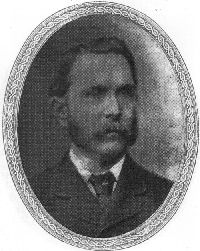 Lieutenant
Colonel, born 20th August 1832 in Tyrone, Ireland. Enlisted in
1851, Commanding Officer of the 66th Foot at the Battle of Maiwand
and was Killed in Action on the 27th July 1880.
Lieutenant
Colonel, born 20th August 1832 in Tyrone, Ireland. Enlisted in
1851, Commanding Officer of the 66th Foot at the Battle of Maiwand
and was Killed in Action on the 27th July 1880. Major,
born 9th March 1836 in Ashby de la Zouch. Enlisted in 1854, Survived
the Battle of Maiwand and the siege of Kandahar. Died of Smallpox
on the 10th October 1880.
Major,
born 9th March 1836 in Ashby de la Zouch. Enlisted in 1854, Survived
the Battle of Maiwand and the siege of Kandahar. Died of Smallpox
on the 10th October 1880.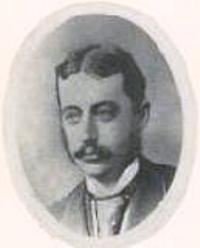 Captain,
born 7th September 1844 Corry in Ireland. Joined the Regiment
on the 10th July 1870, Commanded B company at the Battle of Maiwand
and was Killed in Action on the 27th July 1880.
Captain,
born 7th September 1844 Corry in Ireland. Joined the Regiment
on the 10th July 1870, Commanded B company at the Battle of Maiwand
and was Killed in Action on the 27th July 1880.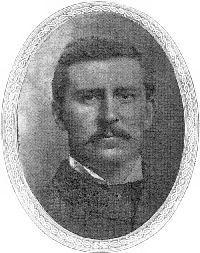 Captain,
born 28th September 1845 in Hampstead. Enlisted in 1865, Commanded
F company at the Battle of Maiwand and was Killed in Action on
the 27th July 1880.
Captain,
born 28th September 1845 in Hampstead. Enlisted in 1865, Commanded
F company at the Battle of Maiwand and was Killed in Action on
the 27th July 1880. Captain,
born 4th February 1845 in Thornford, Ireland. Enlisted in 1865,
Commanded D company at the Battle of Maiwand and was Killed in
Action on the 27th July 1880.
Captain,
born 4th February 1845 in Thornford, Ireland. Enlisted in 1865,
Commanded D company at the Battle of Maiwand and was Killed in
Action on the 27th July 1880. Captain,
born Hydrabad, India on the 9th March 1846. Joined the Regiment
on the 30th November 1871, Commanded C company and Survived the
Battle of Maiwand but died of wounds at Kandahar.
Captain,
born Hydrabad, India on the 9th March 1846. Joined the Regiment
on the 30th November 1871, Commanded C company and Survived the
Battle of Maiwand but died of wounds at Kandahar.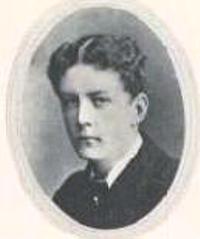 Lieutenant,
born Tralee, Ireland. Joined the Regiment on the 13th October
1877, Killed in Action at the Battle of Maiwand 27th July 1880.
Lieutenant,
born Tralee, Ireland. Joined the Regiment on the 13th October
1877, Killed in Action at the Battle of Maiwand 27th July 1880. Lieutenant,
born in 1860 in Ashford in Kent. Joined the Regiment on the 9th
February 1880, Carried the Regimental Colour at the Battle of
Maiwand and was Killed in Action on the 27th July 1880.
Lieutenant,
born in 1860 in Ashford in Kent. Joined the Regiment on the 9th
February 1880, Carried the Regimental Colour at the Battle of
Maiwand and was Killed in Action on the 27th July 1880. Lieutenant,
born 18th March 1860 in Sydney, Australia. Enlisted in 1879, Carried
the Queens Colour at the Battle of Maiwand and was Killed in Action
on the 27th July 1880.
Lieutenant,
born 18th March 1860 in Sydney, Australia. Enlisted in 1879, Carried
the Queens Colour at the Battle of Maiwand and was Killed in Action
on the 27th July 1880. Lieutenant,
born 7th January 1861 in Brighton. Enlisted in 1880, Killed in
Action at the Battle of Maiwand 27th July 1880.
Lieutenant,
born 7th January 1861 in Brighton. Enlisted in 1880, Killed in
Action at the Battle of Maiwand 27th July 1880.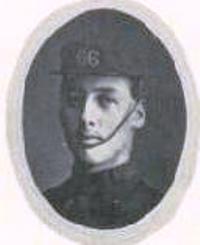 Lieutenant,
born 16th September 1857 in Liverpool. Joined the Regiment on
the 12th April 1875, he was the Adjutant at the Battle of Maiwand
and was Killed in Action on the 27th July 1880.
Lieutenant,
born 16th September 1857 in Liverpool. Joined the Regiment on
the 12th April 1875, he was the Adjutant at the Battle of Maiwand
and was Killed in Action on the 27th July 1880.